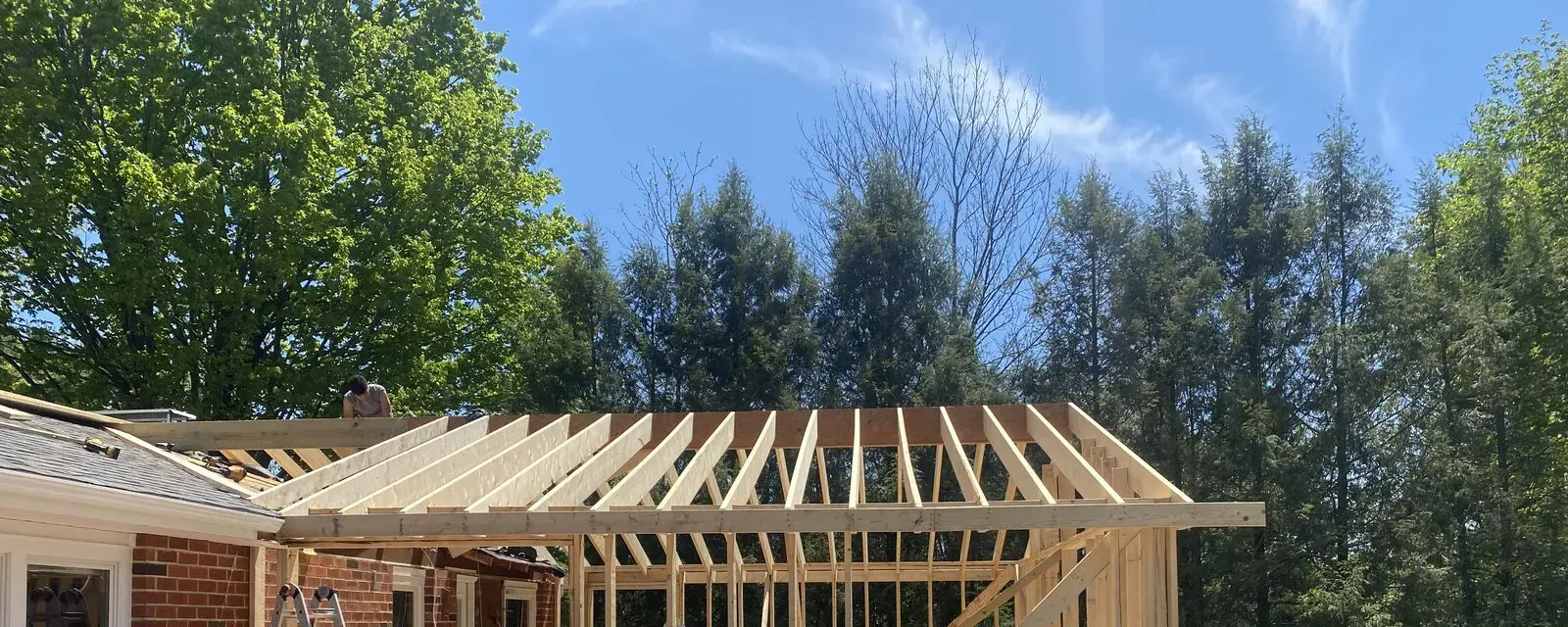
Nearly every homeowner who has been through a renovation has a story about costs spiraling beyond the original budget. Industry data shows that the average home renovation exceeds its initial budget by 15 to 20 percent. But with disciplined planning and realistic expectations, you can be the exception. Here is a systematic approach to keeping your renovation on budget.
Start by defining your must-haves versus nice-to-haves before you contact a single contractor. Write down everything you want from the renovation, then honestly categorize each item. Your must-haves are the core objectives that justify the project. Nice-to-haves are upgrades you would love but can live without. This list becomes your decision-making framework throughout the project. When unexpected costs arise, you can cut from the nice-to-have list.
Get at least three detailed bids and compare them line by line. Vague estimates are a red flag. A quality contractor will provide an itemized bid that breaks down labor, materials, permits, and any allowances for fixtures or finishes you have not yet selected. Pay attention to what is excluded from each bid. One contractor lower price might not include demolition, debris removal, or permit fees that another includes.
Build a contingency fund of 15 to 20 percent into your total budget from the beginning. This is not extra money to spend; it is insurance against the unknown. Older homes especially can reveal surprises once walls are opened up, including outdated wiring, plumbing issues, water damage, or structural problems that must be addressed before new work can proceed.
Make all material and finish selections before construction begins. Changing your mind about tile, countertops, or fixtures mid-project is the fastest way to blow your budget. Changes during construction cause delays, and delays cost money in extended labor and potential impacts on subcontractor scheduling. Visit showrooms, order samples, and make final decisions while the project is still in the planning phase.