The rise of home improvement shows and online tutorials has inspired millions of homeowners to tackle projects themselves. While DIY can save money and be deeply satisfying, choosing the wrong project to do yourself can end up costing more than hiring a professional from the start. Here is a practical framework for making that decision.
Projects that are safe for most DIYers include painting interior walls, installing shelving, replacing light fixtures on existing circuits, basic landscaping, patching drywall, caulking around windows and bathtubs, and installing a new toilet. These tasks have low risk, are forgiving of mistakes, and can be learned from a few hours of research. Even if your first attempt is not perfect, the worst case scenario is usually cosmetic.
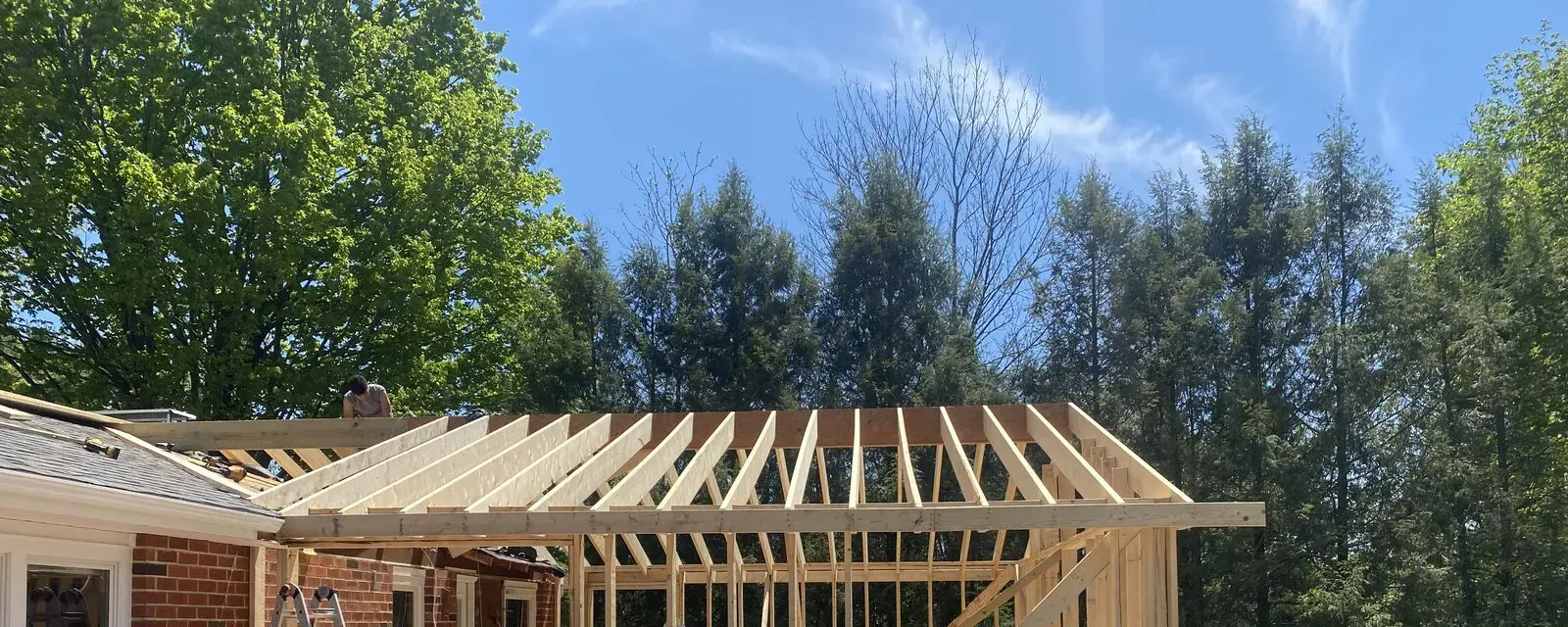
Call a professional for anything involving structural changes, electrical panel work, gas lines, major plumbing modifications, or roofing. These projects require permits, inspections, and specialized knowledge. A botched electrical job can cause a fire. Improper structural modifications can compromise your home integrity. Gas line mistakes can be fatal. Most municipalities require licensed contractors for this work.
The middle ground is where most homeowners struggle with the decision. Tile work, hardwood floor installation, deck building, and minor plumbing jobs like replacing a faucet fall into this category. For these projects, honestly assess your skills, tools, and available time. A tile shower that is not properly waterproofed will leak and cause damage behind the walls. If you choose to DIY these medium-complexity projects, invest time in thorough research.
Consider the hidden costs of DIY beyond just materials. Your time has value, and a project that takes a contractor two days might take you two weekends. Factor in tool purchases or rentals, the cost of materials you might waste while learning, and the potential cost of correcting mistakes. Sometimes the best investment is paying a skilled professional to do the job quickly and correctly.